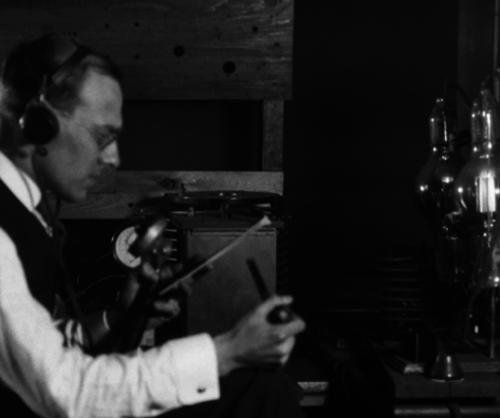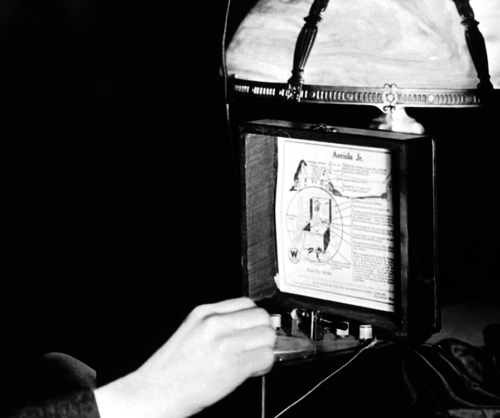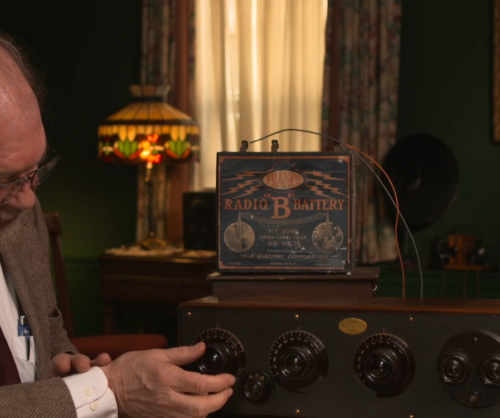
Listen in as radio expert Al Klase of the New Jersey Antique Radio Club explains the effects radio had on society and culture in the 1920s and watch as he demonstrates and tunes in a station on an aut…
This video explores the beginnings of broadcast radio in the home, thanks to Pittsburgh’s KDKA radio station and Westinghouse, which made radio receivers. The electromagnetic “magic†found in sm…
Like game consoles and smartphones today, radios in the 1920s were expensive. Fortunately for teens back then, they could build radio receivers using cheap parts found at home and hardware stores. Wat…
Radio Inquiry Unit
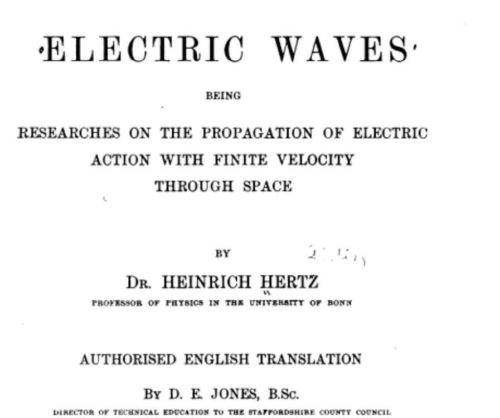
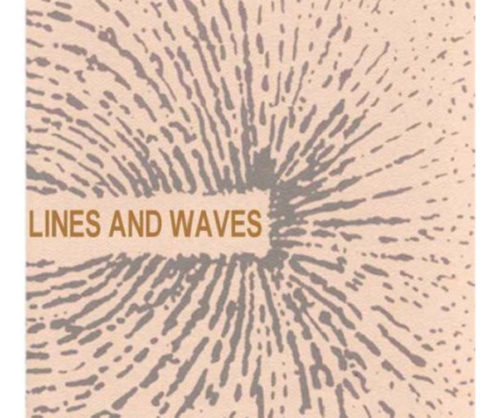
Electric Waves, Being Researches on the Propagation of Electric Action with Finite Velocity Through Space, by Dr. Heinrich Hertz, 1857-1894.
The English translation of Hertz 
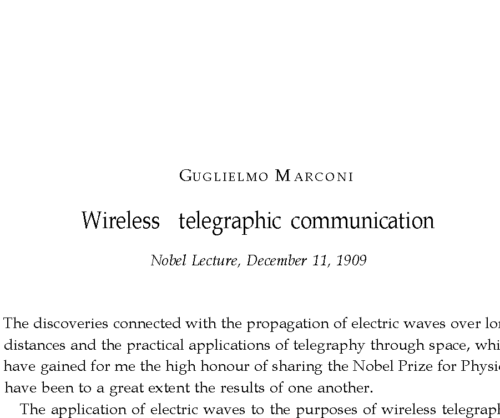
In 1909, Guglielmo Marconi was awarded the Nobel Prize for his contribution to the development of wireless telegraphy. Here you will find a link to the lecture, which includes Marconi’s explanation …
An Exhibit by the IEEE History Center (1981)
Written by Robert D. Friedel
“It was 150 years ago that the English scientist Michael Faraday discovered that he could generate electricity with magnet…
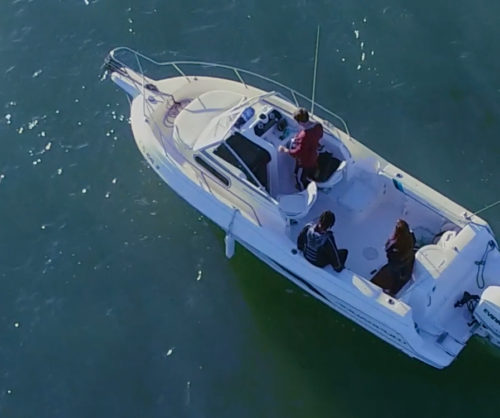
Teenagers venture out for a day of fishing and experience firsthand the value of maritime navigational technology.
Early Maritime Navigation Inquiry Unit
Click Here to Download Video…
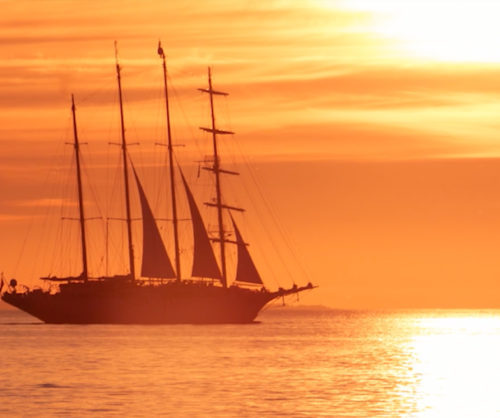
Solving the Longitude problem was necessary to navigating the world's oceans and opening the door to global trade.
Early Maritime Navigation Inquiry Unit
Click Here to Download Video…
The video explains the important relationship of maritime navigational technologies in regards to global trade from the past through to today.
Early Maritime Navigation Inquiry Unit
Click Here t…
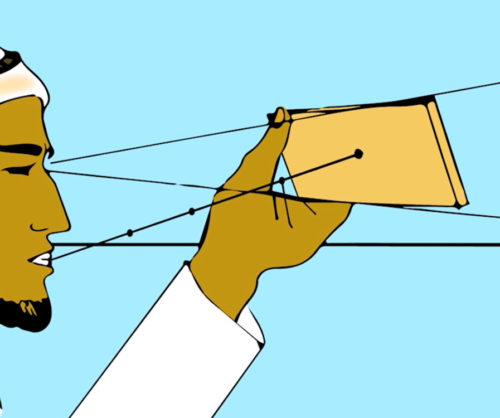
The video highlights early maritime navigational tools used to determine latitude.
Early Maritime Navigation Inquiry Unit
Click Here to Download Video…